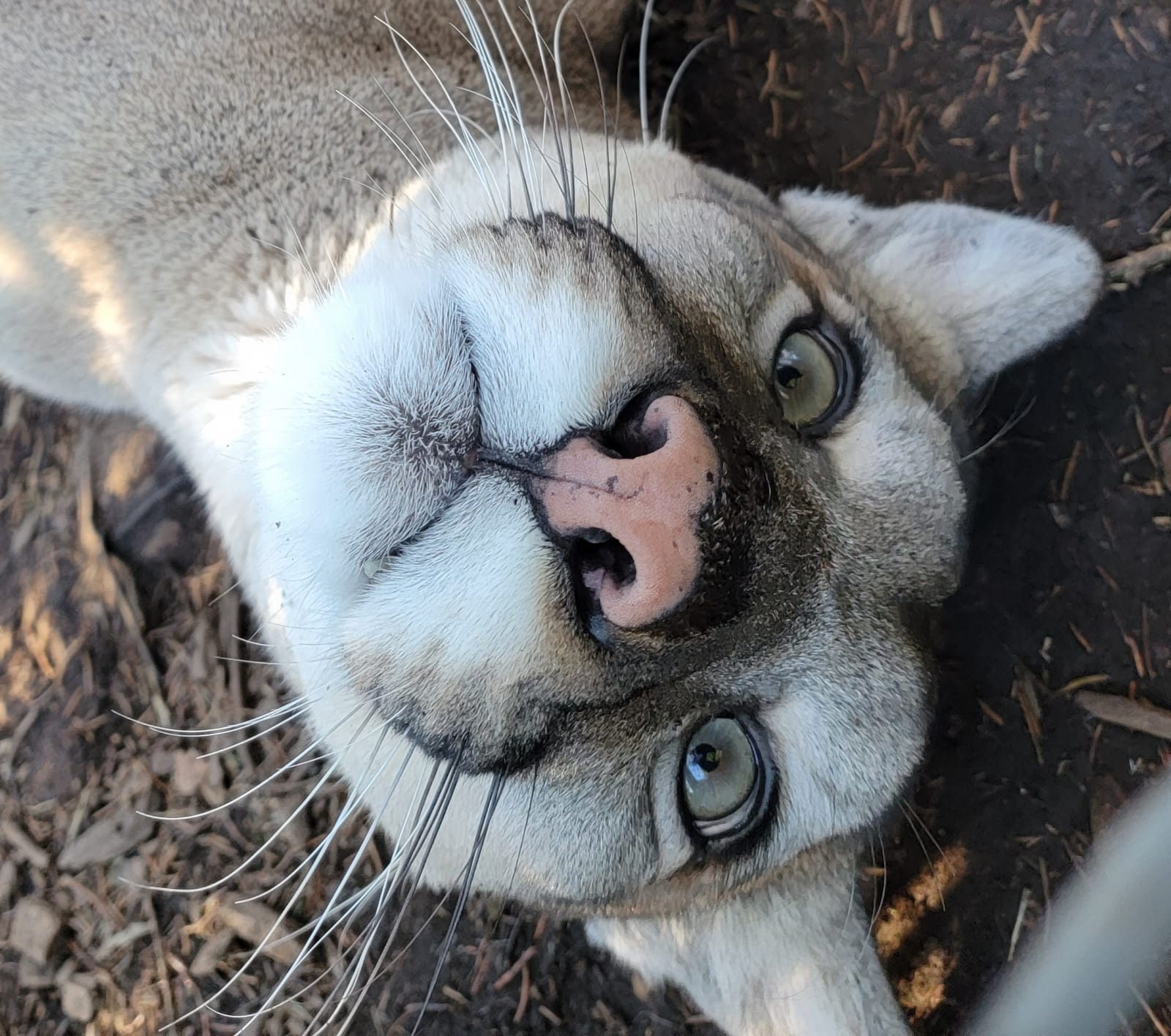
Two reasons to look a little closer on your next visit to Plumpton Park Zoo.
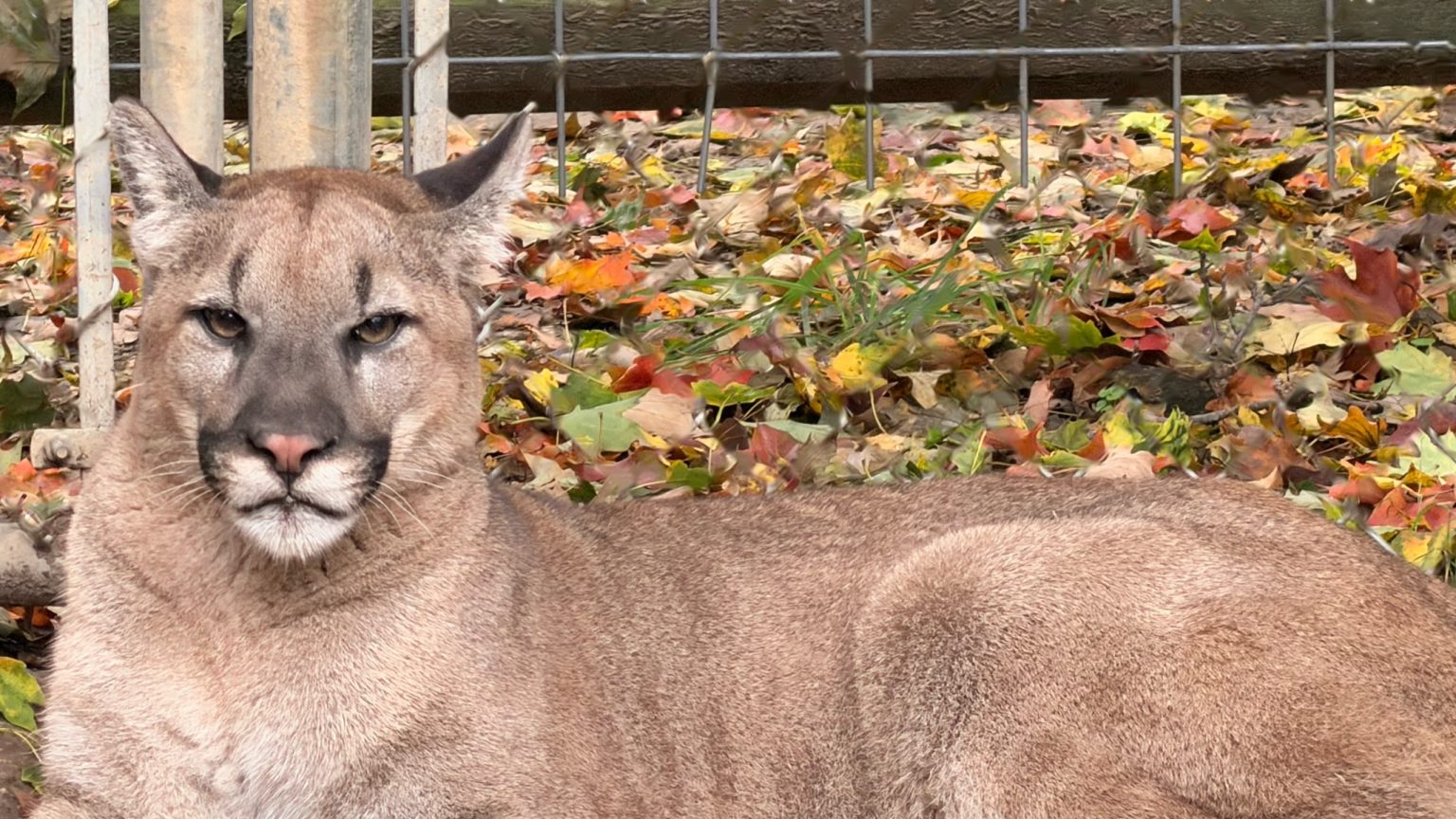
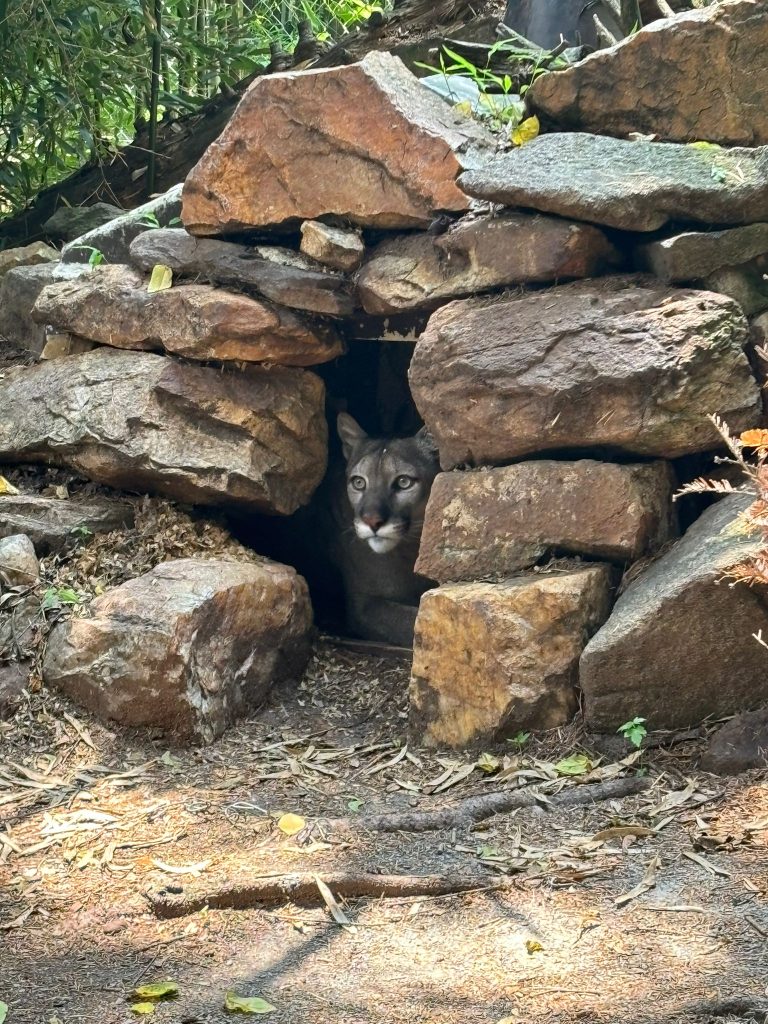
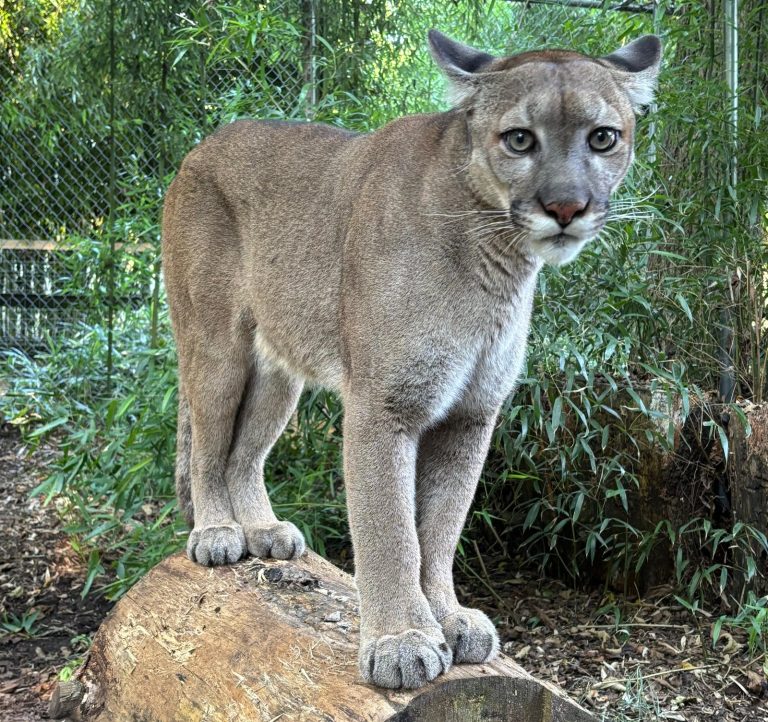
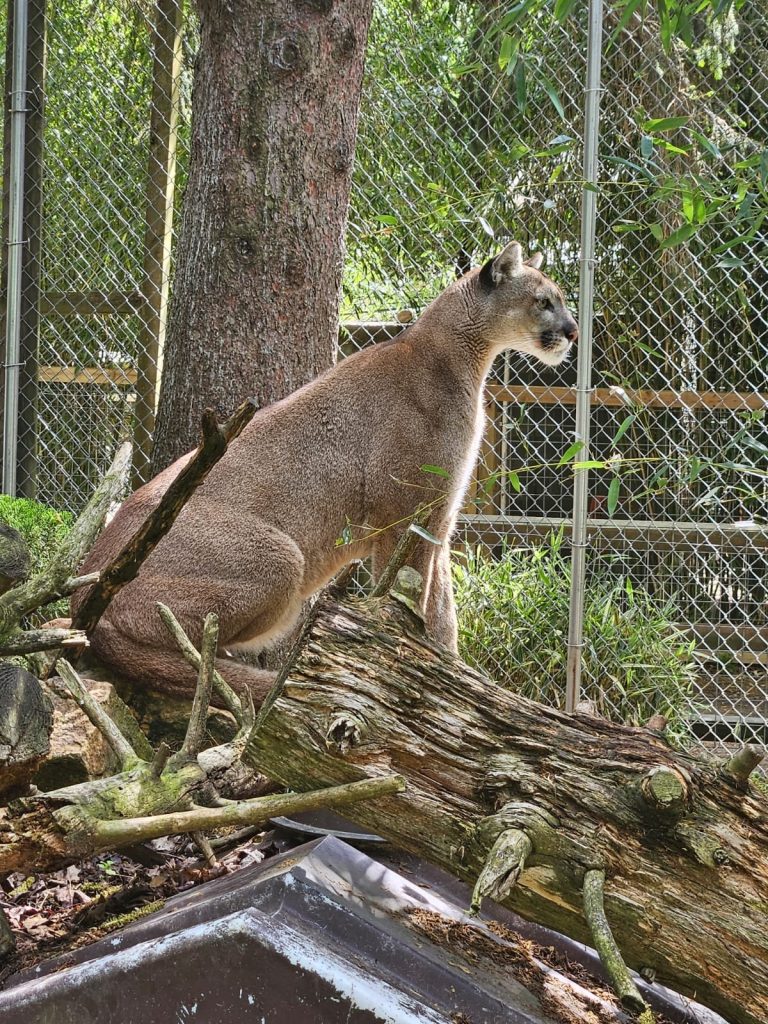
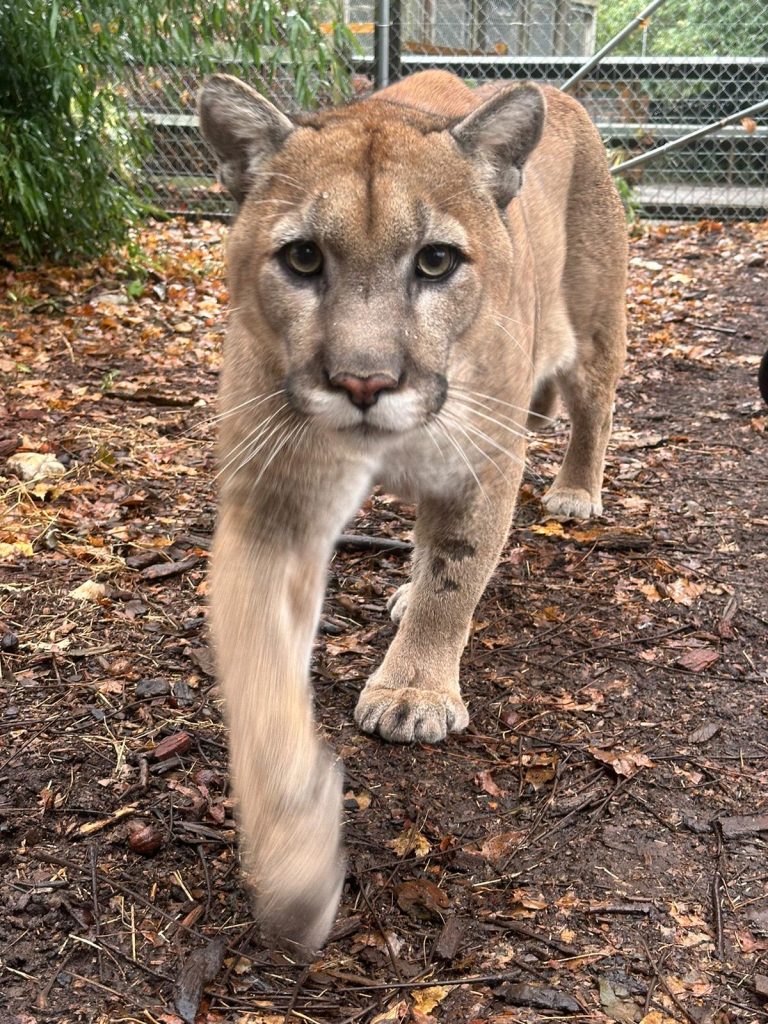
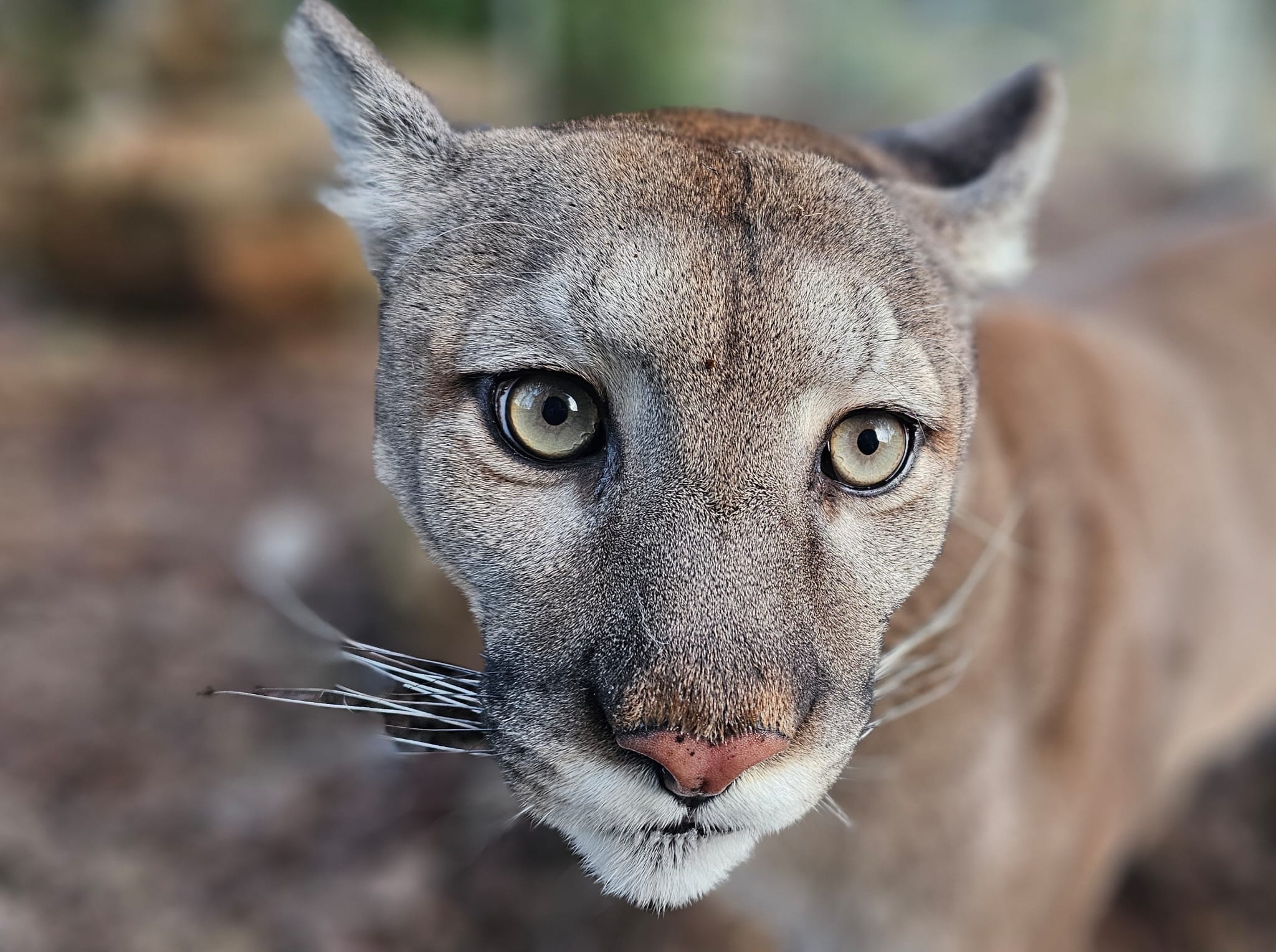
Meet Nicole and Niko, our cougars, in Rising Sun, Maryland. Look for the rounded ears, powerful paws and long tail that distinguish a cougar from the other cats you can discover at the zoo.
Before you visit, explore how cougars hunt, how spotted kittens grow up and why connected wild habitat matters.
The cougar, which is also commonly referred to as a puma, mountain lion or panther, is the second largest cat in North America. Skilled and cunning hunters, cougars stay hidden from their prey until they can pounce with claws outstretched. Cougars can also climb with ease and leap up to 20 feet vertically. After killing a large animal, a cougar hides the carcass and eats in the coming days.
The cougar holds a world record. Guinness World Records lists it as the mammal with the most names, more than 40 in English alone, including puma, panther and mountain lion.
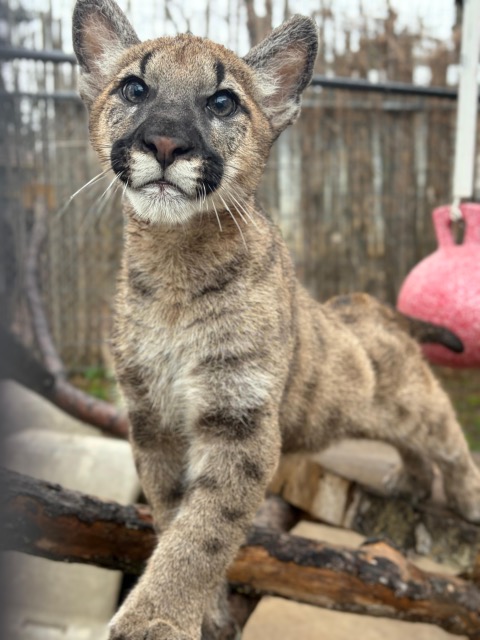
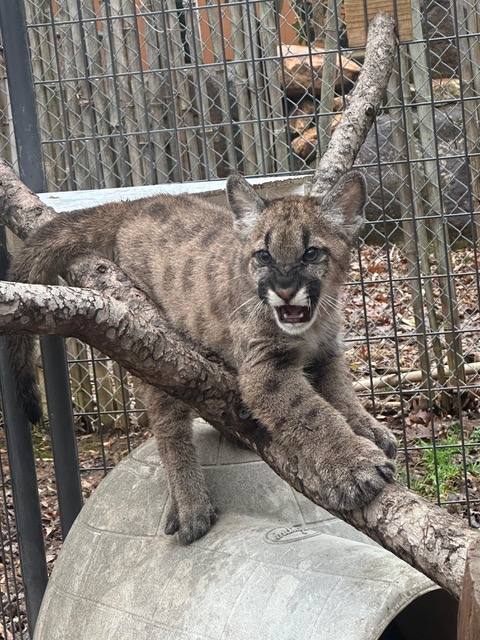
Cougars have the largest geographic range of any native terrestrial mammal in the Western Hemisphere, historically found from Canada to the southern tip of South America. They are solitary, territorial animals that mark their range with scent and claw marks rather than seeking out company. Cougar kittens are born with dark spots and blue eyes, both of which fade as they mature into adulthood. Meet Nicole and Niko, our cougars, at Plumpton Park Zoo — plan your visit.
Print our free two-page Cougar fact sheet, with fast facts, vocabulary, five discussion questions and a drawing activity. Teachers may copy and share it freely as long as they credit Plumpton Park Zoo.
Body length is about 3.3–4.9 feet, with a tail about 2–3 feet long. Weight and lifespan vary by sex and population; these ranges describe wild cougars, not individual zoo animals.
All three names refer to Puma concolor. The name mountain lion does not restrict the animal to mountains. The Cat Specialist Group describes habitats ranging from dry country to tropical forest. Food, cover and room to move help determine where a cougar can live.
Solitary means that adults usually travel and hunt alone. Mothers caring for kittens are an exception. Cougars communicate through scent marks and sounds, including growls, hisses and purrs. Unlike lions, they cannot roar.
Cougars prey on deer, though they also eat smaller animals such as coyotes, porcupines, and raccoons. They usually hunt at night or during the hours of dawn and dusk.
Cougars are carnivores: they eat animal foods. They stalk prey before attacking at close range. A cache is food stored for later, and a cougar can cover a carcass with surrounding material before returning to feed.
The wild diet varies with local prey. Yellowstone’s cougars often hunt elk and mule deer.
A mother provides the milk, protection and early care her kittens need. Young cats remain dependent while learning skills for life on their own.
At birthSpotted coats, short tails and about one pound in weight.
2–3 monthsKittens are weaned and begin traveling with their mother.
10–18 monthsYoung cougars in the South Dakota account become independent.
Kittens are born in a den the mother sets up among rocks or thick cover. A litter has two to five kittens, averaging three, and each weighs about a pound at birth. They are born woolly and spotted, with short tails and closed eyes.
A changing coat
Newborn kittens are heavily spotted for their first three months, and their eyes are blue. Researchers studying Florida panthers note that the spots and blue eyes serve as camouflage. After about three months the spots begin to fade, and by six months of age they have almost completely faded, though faint spots can still show on a cat a year old. The blue eyes fade as the young cat matures. An adult cougar has a plain coat and grayish brown to golden eyes, the look you see on Nicole and Niko today.
Learning from their mother
Kittens get their first teeth at about a month old and are weaned at two to three months, when they begin traveling with their mother. When they are 8 to 10 weeks old she starts hunting over a wider area and brings them to her kills. Young cougars stay with their mother until they become independent, usually between 10 and 18 months old, and most leave the area where they were born at 14 to 18 months.
The IUCN/SSC Cat Specialist Group lists the puma as Least Concern globally. Regional situations differ, and Florida panthers face a separate conservation challenge. A global category does not describe every local population.
Habitat loss and fragmentation are concerns. Fragmentation breaks habitat into separated pieces, making the space between those pieces important too. Yellowstone research uses remote cameras, genetic samples and tracking collars to learn about elusive cougars.
Following an elusive neighbor
How do you study a cat that is so rarely seen? Yellowstone researchers combine remote cameras, genetic samples and tracking collars rather than relying on sightings alone. Each method reveals a different part of a cougar’s life, helping researchers understand where the cats move and how they use the landscape.
For families: compare the cougar’s plain adult coat with the spotted kitten photos in the growing-up section. What might make each animal harder to see in its surroundings?
As a nonprofit zoo, Plumpton Park Zoo relies on admissions, memberships and the generosity of people who believe in what we do. Donations help support animal care, veterinary services, nutritious diets, enrichment, habitat improvements and the continued development of the zoo.
Plumpton Park Zoological Gardens, Inc. is a 501(c)(3) nonprofit organization. Donations support the zoo’s charitable mission and are tax-deductible to the extent permitted by law.
Your cougar questions
Are cougars and mountain lions the same animal?
Yes. Cougar, mountain lion and puma are common names for Puma concolor.
What do cougars eat?
Cougars are carnivores. They hunt deer and other mammals, with prey varying by location.
Do cougars live in groups?
Adults usually travel and hunt alone. Mothers caring for kittens are an exception.
Can a cougar roar?
No. Cougars use sounds such as growls, hisses and purrs instead.
Why are cougar kittens spotted?
Kittens have a different coat pattern from adults. Their dark spots fade as they mature.
Where can I see a cougar in Maryland?
Visit Plumpton Park Zoo in Rising Sun, Maryland. Check Hours and Tickets before your visit.