
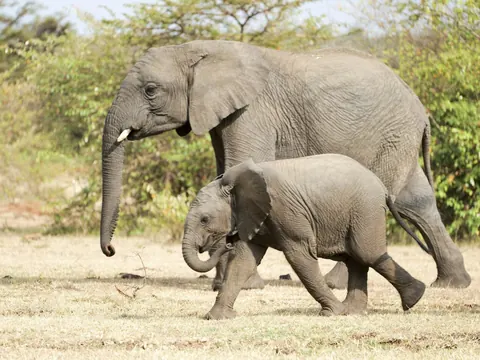
African elephant
Mammal · PDF
Not at zooGrades K–2 African elephant sheet (PDF) Grades 3–5 African elephant sheet (PDF)
Free lessons and fact sheets that turn curiosity into discovery. Watch an animal closely, ask why, then find the evidence.
Printable fact sheets in two levels, grades K–2 and grades 3–5, with field trip worksheets that support NGSS for Maryland, Delaware and Pennsylvania classrooms. Guided lessons: grades K–5; research and field activities through high school.
01 / FREE CLASSROOM RESOURCES
Big ideas. Wild discoveries. Eleven lessons built around real animal stories, guiding questions and hands-on exploration.
Choose a topic to see the lesson plan, hands-on steps, grade guidance and related animal fact sheets. Open a lesson below to explore or print it.
Grades 6–8: Compare two habitats using temperature, water and shelter as variables. Predict which changes affect each animal.
High school: Build a claim about habitat loss, test it against at least two reliable sources, and explain uncertainty.
Hold up the dromedary camel and polar bear fact sheets. Ask: “Could these two animals trade homes? What would go wrong?”
Give each group fact sheets from two different habitat groups below. Students find the Habitat line in Fast facts, then one body part or behavior that suits that place, and write each on a sticky note.
Groups post their notes in habitat columns. Introduce the words habitat (the natural home where an animal finds food, water and shelter) and adaptation.
Each group argues whether its animal would survive well, less well or not at all in a different habitat, using evidence from its sheet.
Exit ticket: “My animal lives in ___. One thing that helps it survive there is ___.”
Tap a name for the animal’s page, or open its printable fact sheet.
Dry savannas and open woodlands
Grasslands and savanna woodlands, near water
Savanna, tall grass and reed beds near water
Semi-open country with cover
Open savanna, grassland and coastal desert
Grasslands and prairies
Grasslands and savannas with seasonal rain pools
Tropical rainforest canopy
Forests, especially tropical rainforest
Tropical and subtropical forest
Forest, palm swamp and savanna edge
Tropical forest, swamp forest and forest edge
Rainforest edges, dry forest, savanna, scrub and mangroves
Forests with thick ground plants, fruits and nuts
Mature woods, forests and wooded swamps, usually near water
Woodland and grassy openings
Eucalyptus forest and woodland edges
Forests, grasslands and mangrove swamps
Forests
Forest and scrubland
Woodland and forest edges
Forests and farmland
Hot, dry deserts
Desert, from over 120°F in summer to –20°F in winter
Dry grassland, savanna and scrub in the Sahel, south of the Sahara
Mountain forests with a bamboo understory, 5,000–10,000 ft
Mostly mountain forests
High Arctic tundra above the tree line
Open, treeless tundra
Sea ice over shallow coastal waters
Freshwater streams, lakes and pools
A freshwater turtle with webbed feet for swimming
A fish that takes oxygen from water with its gills
Coastal islands, shores and nearby ocean
Forests, mountains, grasslands and deserts
Forests, grasslands, shrublands and tundra
Forest, tundra, prairie, desert, mountains, farmland and towns
Grasslands, woodlands, forests, scrub, wetlands and some deserts
Grades 6–8: Map the native ranges of three animals and compare climate, vegetation and geography.
High school: Investigate how land use and trade influence species survival across two world regions.
Ask: “Which animal at Plumpton Park Zoo do you think lives farthest from Maryland in the wild?” Record the guesses.
Each group takes four to six fact sheets, finds where it lives (the Native region line, or for a farm breed the list below) and places a dot for each animal on a world map, connected to Maryland with yarn.
Count the animals on each continent. Introduce native (found naturally in a place) and endemic (found naturally in only one place in the world). Ask which animals on the list below live naturally in only one place.
Compare two animals from the same continent that live in very different places, such as the cheetah and the African penguin. What does each one need?
Exit ticket: name animals from two continents and one way their homes are different.
Tap a name for the animal’s page, or open its printable fact sheet. Farm breeds are listed where the breed was developed.
Northern Kenya; possibly southern Somalia and Ethiopia
East Africa
Southern Africa: the Timbavati and Kruger region
Africa, mainly central and southern
Mainly southern and eastern Africa; also elsewhere in Africa and in Iran
Mostly East, Central and southern Africa
South Africa and Namibia
Eastern and southern Africa
Sub-Saharan Africa, from Somalia and Nigeria south to South Africa
West Africa and the Central African Republic to Sudan and Uganda
The Sahel, south of the Sahara
Arabia; now herded from Africa to northern India
A cattle breed with African ancestry
A goat breed from West Africa
India, Bangladesh, Nepal and Bhutan
The Russian Far East; a few in China
South and Southeast Asia
South and Southeast Asia
South-central China: Sichuan, Shaanxi and Gansu
Central Asia: the Gobi Desert
The Indian subcontinent
Central and western China
Southeast Asia and southern China
First tamed in South Asia, more than 8,000 years ago
A breed from Vietnam’s Red River Delta
First tamed in what is now Iran and Iraq, about 10,000 to 11,000 years ago
A carp breed developed in Japan in the 1820s
Europe
The Mediterranean region and Asia Minor
A cattle breed from Scotland
A pig breed developed in Europe
A donkey breed from the islands of Sicily and Sardinia
North America
North America only
Eastern North America; now west to the Pacific Northwest
Canada, Alaska, the U.S. and northern Mexico
The southern United States and northern Mexico
The Amazon basin
Tropical South America
Most of South America, plus Trinidad and Tobago
Argentina
The Andes of South America
The Andes of South America
Eastern Australia and Tasmania
Eastern Australia, Tasmania and King Island
Arctic islands of Canada and northern Greenland
The Arctic: Canada, Alaska, Greenland, Russia and Norway
Arctic North America, Europe and Asia
Southern and southwestern Madagascar
Aldabra Atoll, Seychelles
The Galápagos Islands, Ecuador
The Seram islands of eastern Indonesia
North, Central and South America
Much of the Northern Hemisphere, south to Central America and northern Africa
Grades 6–8: Compare similar survival challenges in unrelated species and record structural and behavioral solutions.
High school: Evaluate an adaptation claim using scientific evidence, noting advantages and possible trade-offs.
Read three Did you know? facts aloud without naming the animals: seven giant neck bones, a newborn that grows in a pouch and a bill with about 40,000 sensors. Students guess each animal and the job each part does.
Each group takes one adaptation group below. For every sheet, students fill in a T-chart: the body part or behavior, and the problem it solves.
Define adaptation: a body part or behavior that helps an animal survive where it lives. Each group shares one problem and its solution.
Label the adaptation in a fact sheet’s Draw it box, or design a tool that copies an animal part. The pig fact sheets ask students to design a digging tool inspired by a pig’s snout.
Exit ticket: “The ___ has ___. It helps the animal ___ because ___.”
Tap a name for the animal’s page, or open its printable fact sheet.
A long neck with seven enormous bones and a tongue about 18 inches long help this browser reach leaves
A trunk with two finger-like tips; about 70 percent of its air passes through it
A pseudo-thumb, an enlarged wrist bone, helps it grip bamboo
A strong beak cracks hard nuts and helps it climb
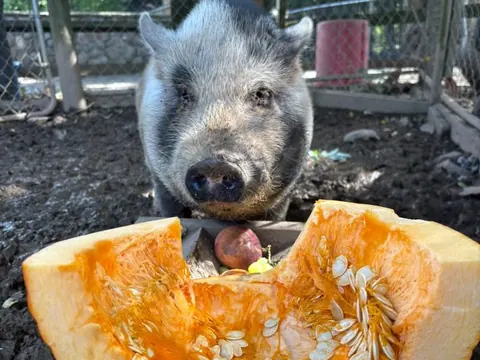
A flat, muscular snout roots in the soil
A bill with about 40,000 electroreceptors senses prey underwater
Routinely dives about 100 feet deep
Webbed feet help it swim
Gills take oxygen from the water
A strong swimmer that can cross wide rivers
A newborn joey develops in its mother’s pouch for about 280 days
A mother gives birth to her cubs and cares for them in a den
A mother coils around her eggs
A guarding male may dig a channel to lead his tadpoles toward deeper water
Two coats in one, short round ears and fur between its foot pads save heat
Black skin under hollow guard hairs up to about 6 inches long
Some of the densest leg and foot feathers of any owl
Two coat layers; the outer coat sheds rain
A thick winter coat that it sheds in big sheets in spring
Can lose water equal to more than 30 percent of its body weight; most mammals die at 15 percent
A dewlap under the throat and extra sweat glands help it shed heat
Its horn region helps it get rid of heat
Digs burrows up to about 50 feet long and cools off by spreading saliva on its forearms
Cools off on hot days by licking its forearms
Mud cools its skin and protects it from sunburn and flies
Rests underground in a cocoon of shed skin through hot, dry weather
Can survive without food or water for up to a year
About 30,000 quills, which it cannot throw or shoot
A shell fused to its ribs and spine
Curls into a ball that protects its head
Biting flies land on its stripes far less often
Algae can grow on its hair and turn its coat faintly green
Mottled brown females stay hidden while they nest on the ground
Reaches 65 to 70 miles per hour; has about 30 seconds to catch its prey
The largest ears of any cat for its head size, and it can leap more than 9 feet up
Turns its head as much as 270 degrees to watch for prey
Can climb and leap up to 20 feet straight up
Adjusts its squeeze to its prey’s heartbeat
Canine teeth about two inches long and jaws that open about 100 degrees
Ankles that turn backward let it climb down a tree headfirst
Special ankle bones for climbing down headfirst and a long tail for balance
Its fur grows from belly to back, so rain runs off while it hangs upside-down
Uses its beak like a third hand when it climbs
Two toes point forward and two point back
Grades 6–8: Build a simple classification key for the animals and test ambiguous examples.
High school: Compare biological classification with evolutionary evidence, distinguishing shared traits from shared ancestry.
Read from the platypus fact sheet: “The platypus is a mammal that lays eggs.” Ask: “How can that be?”
Pairs read the Animal group line and the Did you know? facts on their sheet, then sort themselves into five groups: mammals, birds, reptiles, amphibians and fish.
Each group lists what its animals share. Mammals have fur or hair and mothers make milk; birds have feathers and lay eggs; reptiles have scales or shells; amphibians usually start life in water; fish breathe with gills.
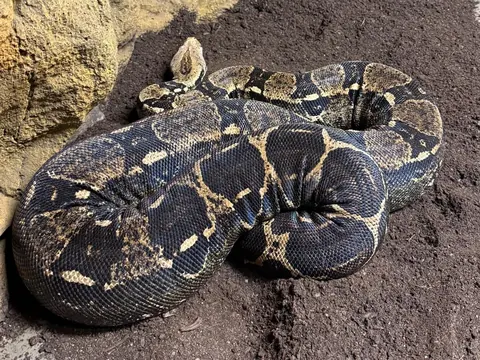
Hunt the sheets for rule breakers: a mammal that lays eggs (platypus), a reptile that gives birth to live young (red-tailed boa) and a bird that uses its wings in the water (African penguin). Why do they still belong to their groups?
Exit ticket: “My animal is a ___ because ___.”
Tap a name for the animal’s page, or open its printable fact sheet.
A mammal that lays eggs, called a monotreme
A marsupial: its newborn joey develops in a pouch
A lamb drinks its mother’s milk
Called a bearcat, but it is neither a bear nor a cat
A rodent, not a rabbit
A true bear that eats more than 98 percent bamboo
A rodent; only the beaver is a larger North American rodent
A kind of gray wolf whose coat stays white all year
A bird that uses its wings in the water
Coughs up pellets of bones, fur and feathers after eating
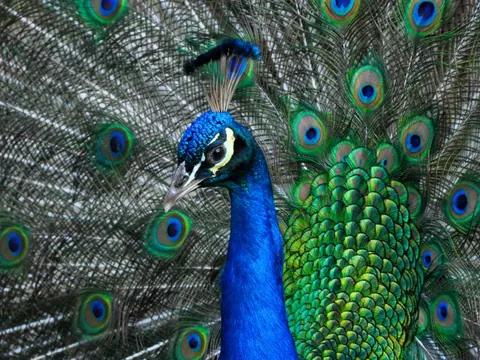
A peacock’s fan is a train of long upper-tail feathers
Chicks hatch covered in down and move about right away
Usually lays two eggs, and both parents raise the chicks
Feathers cover even its legs and feet
Gives birth to live young instead of laying eggs
Lays eggs, and the mother coils around them
A shell fused to its ribs and spine
12 or 13 living species, some with domed shells and some saddle-shaped
Lays eggs in nests on land
Ectothermic: gets its body heat from its surroundings
Starts life in water as a tadpole and lives on land as an adult
Breathes with gills and lays sticky eggs
Grades 6–8: Make a food web using several species and label where energy enters and is transferred.
High school: Analyze how changes to one population might affect the food web, identifying assumptions in the model.
Read three Diet lines aloud: more than 98 percent bamboo (giant panda), mainly ringed seals (polar bear), and plants, berries, nuts, insects, honey and small animals (American black bear). Ask: “All three are bears. Why do they eat such different foods?”
Groups sort their fact sheets into plant eaters, meat eaters and animals that eat both, then write each animal and one food it eats on an index card.
Introduce herbivore, carnivore and omnivore; all three words are defined on the fact sheets. Build a chain on the board: sun, then plants, then a plant eater, then a meat eater.
Build a tundra food web with yarn: snowy owls and Arctic wolves both eat lemmings, and polar bears hunt ringed seals. Then add the seed spreaders: elephants spread seeds in their dung, and binturongs help fig trees grow.
Exit ticket: draw a three-link food chain that starts with the sun and includes an animal from a fact sheet.
Tap a name for the animal’s page, or open its printable fact sheet.
Browser: leaves, flowers, seed pods and fruit
Grazer: almost entirely grasses
Grazer: grasses and sedges
Trees, shrubs, grasses, bark and fruit
More than 98 percent bamboo
Grasses, herbs and fallen leaves
Grasses, shrubs, fruit and cactus
Succulents, herbs and grasses
Grasses and herbs
Plants, especially grasses
Bark, twigs and leaves
Both grazes and browses
Grasses, leaves and twigs, even thorny, salty plants
Mostly plants, even dry, prickly and salty ones
Grazer: grass and hay
Hay, grasses and other plants
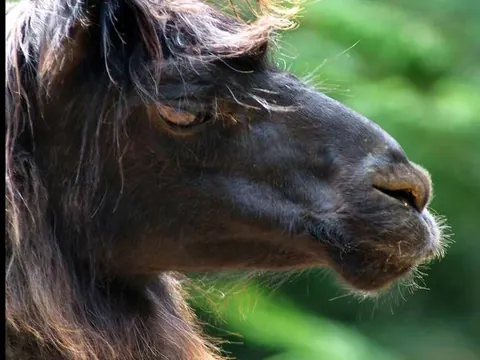
Plants; llamas chew cud
Plants; sheep chew cud
Plants; goats browse and graze, and chew cud
Plants; Watusi chew cud
Plants
Plants; donkeys do not chew cud
Fruits, nuts, seeds and other plant material
Muskoxen, Arctic hares, caribou, lemmings and birds
Mainly ringed seals
Mainly gazelles, impala and springbok
Deer, wild boar, gaur and nilgai
Deer, elk and wild boar
Deer and other mammals
A carnivore
Monkeys, deer, birds and other animals
Mostly small rodents
Voles, mice, squirrels, birds, frogs and crayfish
Lemmings, voles and birds
Mainly anchovy and pilchard; also squid
Insect larvae, shrimp and crayfish
A carnivore with bony jaw points that grip prey
Small mammals, caught by constriction
Mostly small mammals and birds
Plants, berries, nuts, insects, honey and small animals
Mostly plants: grasses, roots, berries and nuts, plus insects
Especially fruit
Animals and plant foods
Seeds, grain, berries, insects and worms
Grain, seeds, leaves, berries and invertebrates
Seeds, fruit, leaves, grain and insects
Mostly leaves, plus fruit, flowers and insects
Seeds, nuts, fruits and some insects
Plants and animals
Plants and animals
An omnivore; it roots in the soil with its snout
An omnivore
Rodents, rabbits, birds, snakes, insects, berries and fruit
Spreads seeds in its dung, sometimes up to 40 miles away
Drops fruit seeds that help forests grow, especially fig trees
Grades 6–8: Compare juvenile care, growth and survival strategies across three species.
High school: Research how life-history traits change with habitat conditions, separating evidence from speculation.
Play baby-name match: cria, joey, binlet, porcupette, peachick and kid. Students guess each parent animal, then check the fact sheets.
Groups read their sheets and place each animal on a Venn diagram: hatches from an egg, or is born live. Then they find one thing a parent does for its young.
Every life cycle includes birth, growth, reproduction and death. Compare helpless newborns, like a giant panda cub about the size of a stick of butter, with babies that are up fast, like a zebra foal that stands within minutes.
Look at inherited traits: two tawny lions can carry a hidden white gene and have a white cub, and a silver fox is a red fox with a gene change that darkens its fur. How are young like their parents, and how can they differ?
Exit ticket: draw one animal’s life cycle and label one thing a parent does that helps the young survive.
Tap a name for the animal’s page, or open its printable fact sheet.
A mammal that lays eggs; milk seeps out through patches of skin
Both parents take turns keeping the eggs warm for 38 to 41 days
Usually two eggs, and both parents raise the chicks
4 to 12 eggs hatch in 22 to 23 days; chicks move about right away
Peachicks hatch ready to walk and follow their mother
The mother coils around her eggs
Females lay eggs in nests on land
About 15 to 20 eggs; hatchlings walk and feed on their own from the start
A hatchling is only about 3 inches long
About 4,000 eggs in a rain pool hatch in about two days
Sticky eggs attach to things underwater
Pregnancy lasts about 30 days; then the joey grows in the pouch
A newborn calf drops about six feet and is already about six feet tall
A foal weighs 66 to 77 pounds and stands within minutes
A calf walks soon after it is born
Pregnancy lasts about 22 months
Gives birth to live young instead of laying eggs
A newborn cub weighs 3 to 5 ounces, about 1/900th of its mother’s size
A newborn cub weighs only 8 to 12 ounces
A cub weighs about 1 pound at birth and stays with its mother two to three years
Born in a den, a cub weighs about 1 pound 5 ounces to 1 pound 9 ounces
Both parents raise the pups; older offspring may stay to help
Mother servals raise their kittens alone
A mother raises her cubs until they learn to hunt
Several pairs share a nursery burrow; each mother nurses her own pups
Kittens have spots that fade as they grow
A mother nurses her fawn
Two tawny lions can carry a hidden white gene and have a white cub
A red fox with a gene change that darkens its fur
A white tiger is a color variant, not a separate subspecies
Young males take about two years to grow their silver feathers
Males grow almost pure white with age; females keep dark markings
Every zebra’s stripe pattern is unique
A baby alpaca is a cria
A baby llama is also a cria
A baby goat is a kid; its mother nurses it
A lamb drinks its mother’s milk
A foal drinks its mother’s milk
A calf drinks its mother’s milk
A baby porcupine is a porcupette
Baby binturongs are called binlets
Grades 6–8: Compare solitary and social species and list observed benefits and costs of living in groups.
High school: Form a testable research question about social behavior and design a nonintrusive observation method.
Read the group names from the fact sheets: a mob of wallabies, a troop of lemurs, a fold of Highland cattle, a creep of tortoises and a flock of sheep. Students match each name to its animal.
Each group reads three or four sheets and records whether the animal lives in a group or alone, who is in the group and what the group does together.
Share examples. Living in a group can help animals find food, stay safe and raise young. A wolf pack is a family, and ring-tailed lemur troops are led by females.
Compare a loner (serval, cougar or American black bear) with a group animal. Why might a serval, which hunts mostly small rodents, do well on its own?
Claim, evidence and reasoning exit ticket: “Living in a group helps ___ survive because ___.”
Tap a name for the animal’s page, or open its printable fact sheet.
A family group, or harem: one stallion, several mares and their young
Lives in herds
An older female, the matriarch, leads the family
A herd animal
Lives in a herd
A group of sheep is a flock
A group is often called a fold
Lives in a herd
A pack is a family that may range over hundreds of square miles
Family members answer one another with wailing calls
Males, often brothers, may live and hunt together in a coalition
Troops are led by females, who outrank every male
Lives and nests together in colonies
Flocks live and travel together
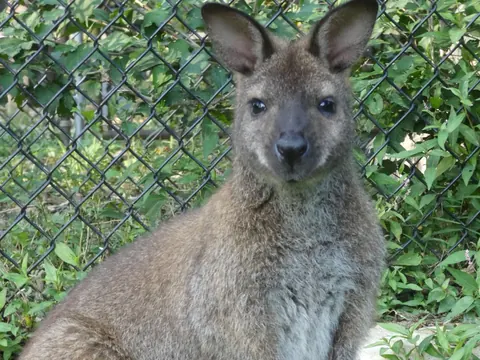
A group of wallabies is called a mob
Several pairs can share a nursery burrow
A group of tortoises is sometimes called a creep
A burrow is sometimes shared by more than one tortoise
Solitary; mothers raise their kittens alone
Usually lives or travels alone
Solitary: lives alone instead of in a group
Grades 6–8: Create an observation chart of animal signals and discuss what can and cannot be inferred.
High school: Evaluate the evidence for different sensory adaptations and discuss their limitations.
Play “Who said that?”: read the barred owl’s call (“Who cooks for you?”), the African penguin’s donkey-like call and a donkey’s bray. Students guess each animal.
Groups read their sheets and fill a chart: the sense or signal, the information it carries and what the animal does next.
Senses take in information, the brain makes sense of it and the animal responds. A serval’s huge ears pick up prey, and then it pounces.
Look at signals: a cockatoo raises its salmon-orange crest, a macaw’s bare face turns pinker when it is excited and a peacock spreads a train about four feet long. What might each signal tell other animals?
Exit ticket: “The ___ uses its ___ to sense ___, and then it ___.”
Tap a name for the animal’s page, or open its printable fact sheet.
About 40,000 electroreceptors in its bill sense prey
Heat-sensitive lip pits help it find prey
A forked tongue samples two spots at once to follow a scent trail
The largest ears of any cat for the size of its head
Turns its head as much as 270 degrees to watch for prey
Walks on cushions of fat; its feet can pick up vibrations
Its call sounds like “Who cooks for you? Who cooks for you-all?”
Researchers have counted at least 28 different calls
Loud, donkey-like calls
Family members answer one another with wailing calls
A friendly greeting is a soft snort called a chuff
Cannot roar; it growls, hisses and chuffs
Cannot roar; it growls, hisses and purrs
Communicates with hums and body posture
A goat’s call is a bleat
A donkey’s call is a bray
A courting male beats his wings into a whirring, drumming sound
Smells like buttered popcorn; scientists found the popcorn chemical in all 33 binturongs they tested
A male’s train averages about four feet
Males spread a cape around their necks during courtship
Salmon-orange crest feathers stay hidden until it raises its crest
Its bare face skin can turn pinker when it is excited
Nocturnal: most active at night
Nocturnal: active mainly at night
Nocturnal: most active at night
Hunts by day as readily as by night
Diurnal: active during the day
Grades 6–8: Identify threats to two species and assess how a specific conservation action addresses each threat.
High school: Develop a conservation proposal with sources, trade-offs and measurable indicators of success.
Share two stories from the sheets: cheetahs fell from about 100,000 in 1900 to about 7,100 in 2017, while Española tortoises came back from just 15 animals to more than 2,300. Ask: “What could make the difference?”
Groups place their animals on a status ladder using each sheet’s Status line or the list below, then note one threat the sheet names, such as shrinking sea ice for polar bears or poaching for tigers.
Define vulnerable, endangered and extinct; each word is on the fact sheets. Discuss head-starting, raising young animals safely before releasing them into the wild, and how the Española tortoises came back.
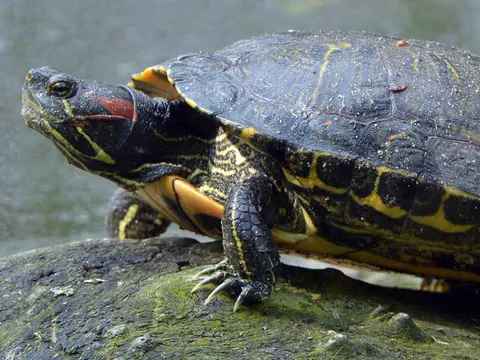
Think local: red-eared sliders are not native to Maryland, and some pet pigs are given up by their owners. What can families do to be responsible pet owners and protect local wildlife?
Exit ticket: “One animal that needs help is ___. One thing that could help it is ___.”
Tap a name for the animal’s page, or open its printable fact sheet.
Fewer than 20,000 mature African penguins remained in the wild in 2023
Savanna elephants, the species on our fact sheet, are Endangered; forest elephants are Critically Endangered
Researchers call the giraffe’s decline a “silent extinction”
Endangered on the IUCN Red List
Poaching, or illegal hunting, is one threat
Endangered on the IUCN Red List
Lives wild only on a small group of islands in eastern Indonesia
Endangered on the IUCN Red List
About 7,100 adults and adolescents in the wild in 2017, down from about 100,000 in 1900
About 1,864 live in the wild, all in the mountains of China
Hunts seals from sea ice, which is shrinking
Needs forest; forest loss threatens it
At high risk of disappearing from the wild
Climate change can affect snowy owls
About 152,000 live on Aldabra, the largest population in the world
African lions are Vulnerable; zoo contacts believe only about 10 to 12 white lions live in the wild
Tens of millions once roamed; only a few hundred were left by the 1880s
Plains zebras are Near Threatened; the quagga went extinct in 1883
Near Threatened on the IUCN Red List (2022)
Near Threatened on the IUCN Red List
Near Threatened on the IUCN Red List
Española tortoises came back from just 15 animals to more than 2,300
The wild camel is a separate species
Grades 6–8: Compare domesticated animals with their wild relatives and identify traits changed by selective breeding.
High school: Investigate domestication, welfare and biodiversity with evidence from multiple credible sources.
Read the silver fox story: in 1959, scientists in Siberia began breeding silver foxes for friendliness alone. By the tenth generation, 18 percent were extremely tame and acted much like puppies. Ask: “What changed, and how?”
Groups sort their sheets into domesticated and wild using the Status line or the list below and list one trait people wanted in each domesticated animal.
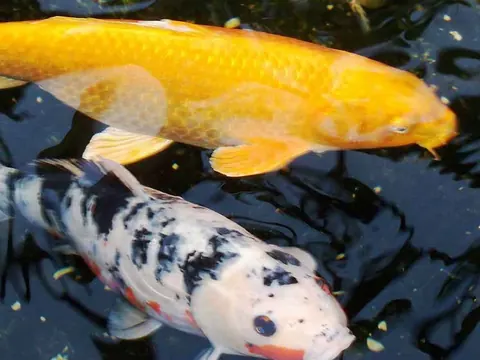
Define domesticated (bred by people over many generations) and breed. Use examples from the sheets: alpacas were bred for fiber, zebu pull plows and carts, and koi are ornamental carp in many colors.
Compare cousins: llamas and their wild ancestor, the guanaco; domestic Bactrian camels and the wild camel, a separate species; and dromedaries, none of which are truly wild in their native range.
Exit ticket: “The ___ is domesticated. People raised it for ___.”
Tap a name for the animal’s page, or open its printable fact sheet.
Pulls plows and carts; first tamed more than 8,000 years ago
Domesticated; none are truly wild in their native range
Domestic; the wild camel is a separate species
Domesticated descendants of guanacos
A domestic equid; “miniature” describes its adult size
Bred especially for fiber rather than to carry loads
Fleece is a sheep’s woolly coat
A cattle breed from Scotland with two coat layers
A cattle breed with African ancestry
Pygmy is a particular domestic goat breed
Also called a miniature painted pig
Can be trained and even housebroken
Ornamental carp whose colors and patterns differ
Bred for friendliness alone; by the tenth generation, 18 percent were extremely tame
Grades 6–8: Use Maryland DNR sources to compare how black bears and porcupines fared in Maryland over the last century, and what helped them.
High school: Research an introduced species in Maryland waters and evaluate one way to limit its spread, citing two credible sources.
Ask: “Which animal at Plumpton Park Zoo do you think could live wild in Maryland today?” Record the guesses.
Groups read the six animals below and sort them into four groups: native, visitor, gone from the wild in the East, and introduced.
Define native (found here naturally), introduced (brought here by people) and extinct. Black bears once lived across Maryland; by the 1950s only a few remained in the far west. Today a healthy population breeds in the four westernmost counties.
On a Maryland county map, color Garrett, Allegany, Washington and Frederick counties, where black bears breed, then mark Rising Sun. How far is the zoo from bear country?
Exit ticket: name one native animal and one introduced animal. Why should pet turtles never be released outdoors?
Tap a name for the animal’s page, or open its printable fact sheet. Sources: Maryland Department of Natural Resources, U.S. Fish and Wildlife Service and the Maryland Biodiversity Project.
Breeds in Garrett, Allegany, Washington and Frederick counties; once lived across all of Maryland
Found only in western Maryland
Heard year-round in Maryland’s mature forests, swamps and streamsides
A rare winter visitor; Assateague Island is a favorite spot, and many arrived in the winter of 2013–2014
The U.S. Fish and Wildlife Service declared the eastern cougar extinct in 2018; the last confirmed sighting was in 1938
Not native; released pet turtles now live in much of northern and central Maryland
Standards codes are NGSS performance expectations, the science standards used in Maryland and Delaware; Pennsylvania’s STEELS standards include closely matching expectations. The lessons support these standards; they are not an official certification. Ready to visit? See school field trips.
02 / THE ANIMAL LIBRARY
Search by name or explore a category. Open any illustrated fact sheet to print or save it for your class. Each animal has two: a read-aloud sheet for grades K–2 and a sheet for grades 3–5. How the K–2 sheets work.
Showing all 54
Showing animals from this lesson
Mammal · PDF
Not at zooGrades K–2 African elephant sheet (PDF) ↗Grades 3–5 African elephant sheet (PDF) ↗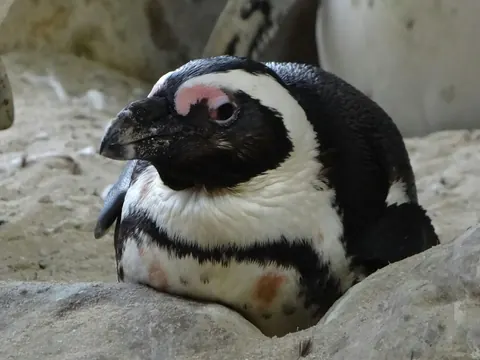
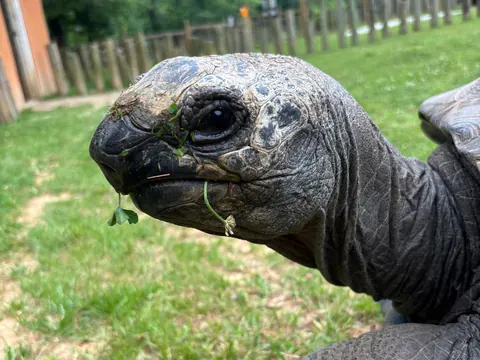
Reptile · PDF
Grades K–2 Aldabra giant tortoise sheet (PDF) ↗Grades 3–5 Aldabra giant tortoise sheet (PDF) ↗
Mammal · PDF
Grades K–2 American bison sheet (PDF) ↗Grades 3–5 American bison sheet (PDF) ↗
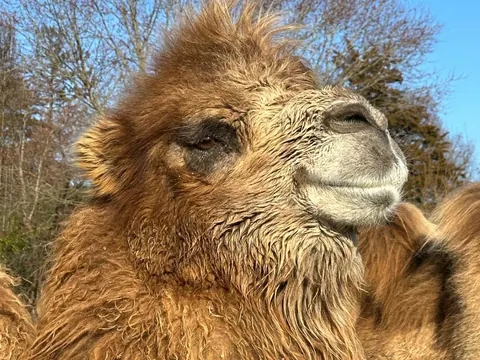
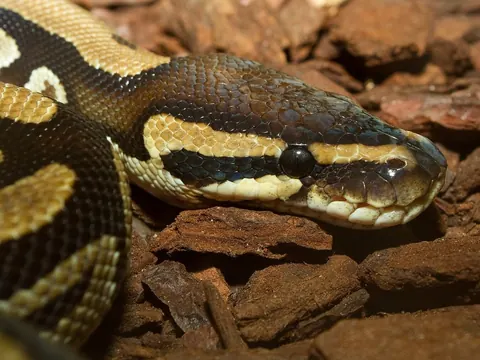
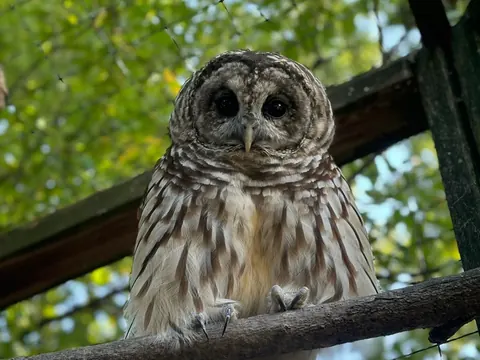
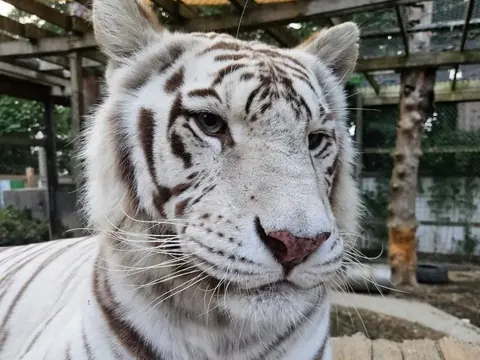
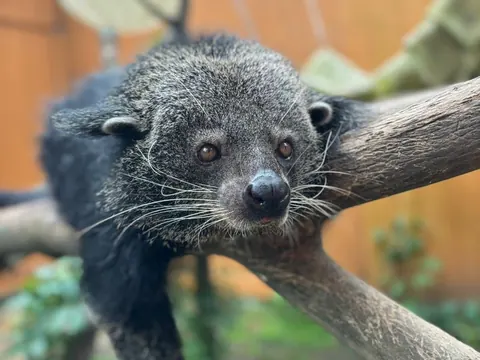
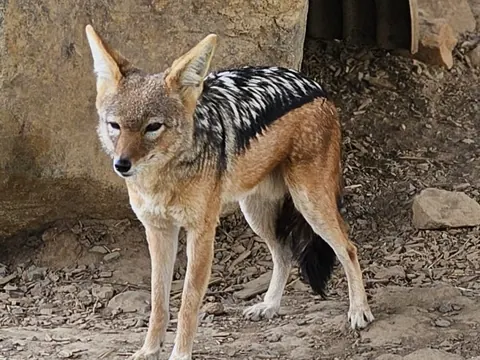
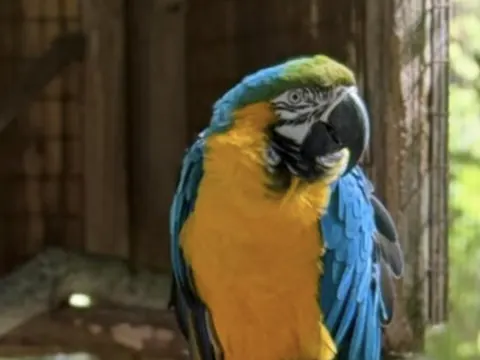
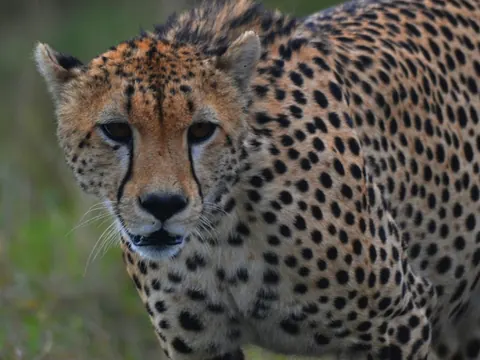
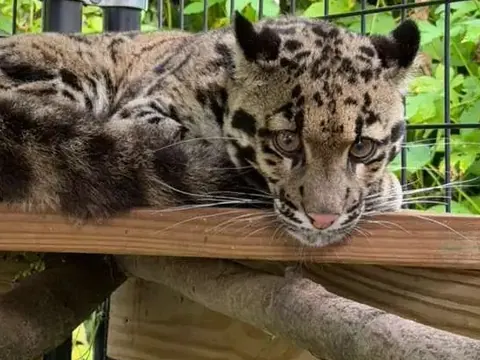
Mammal · PDF
Grades K–2 Clouded leopard sheet (PDF) ↗Grades 3–5 Clouded leopard sheet (PDF) ↗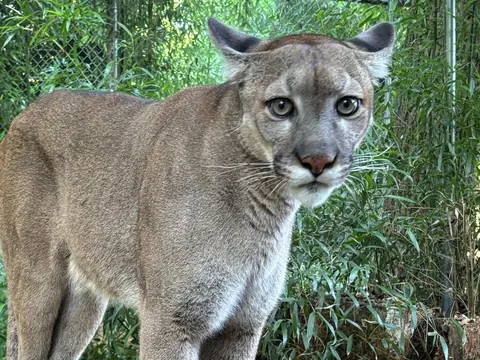
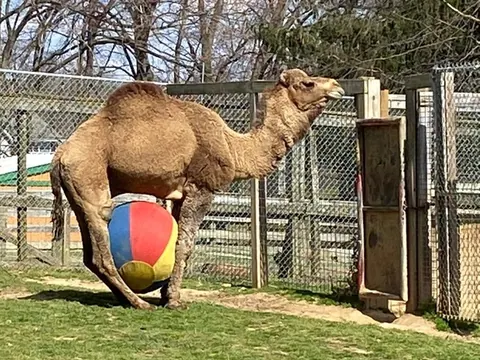
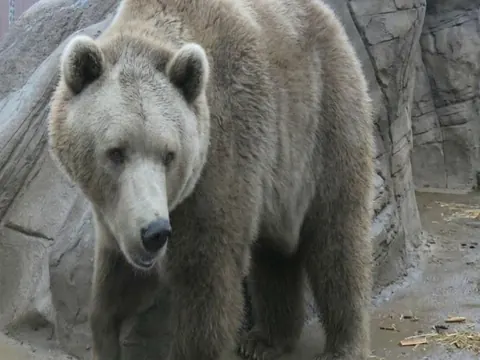
Mammal · PDF
Grades K–2 European brown bear sheet (PDF) ↗Grades 3–5 European brown bear sheet (PDF) ↗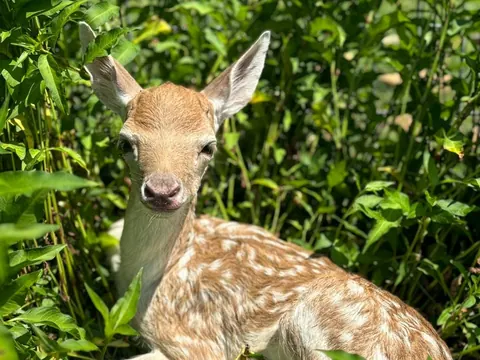
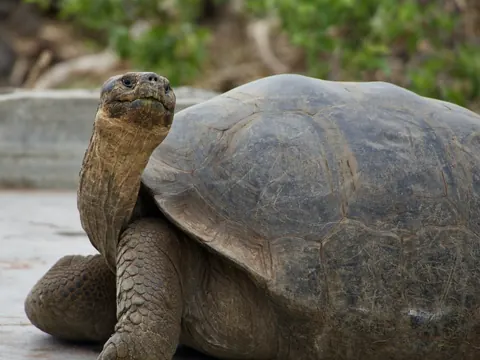
Reptile · PDF
Not at zooGrades K–2 Galápagos giant tortoise sheet (PDF) ↗Grades 3–5 Galápagos giant tortoise sheet (PDF) ↗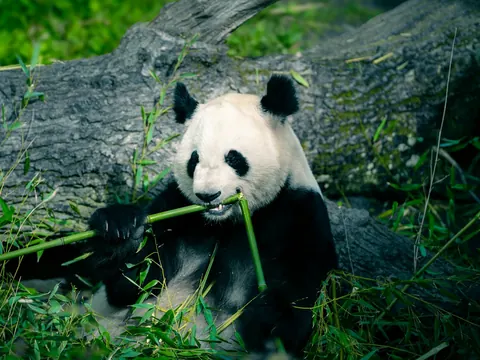
Mammal · PDF
Not at zooGrades K–2 Giant panda sheet (PDF) ↗Grades 3–5 Giant panda sheet (PDF) ↗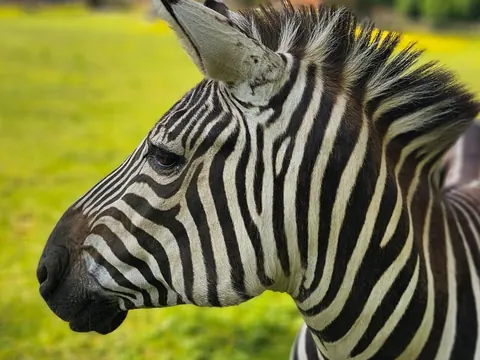
Amphibian · PDF
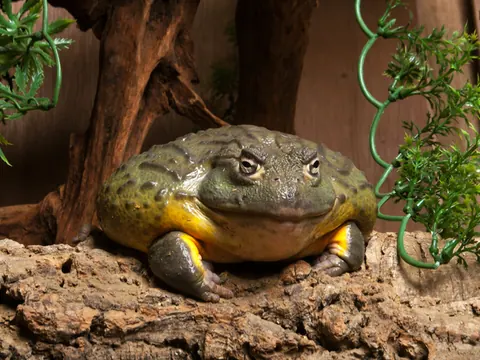
Not at zooGrades K–2 Pixie frog sheet (PDF) ↗Grades 3–5 Pixie frog sheet (PDF) ↗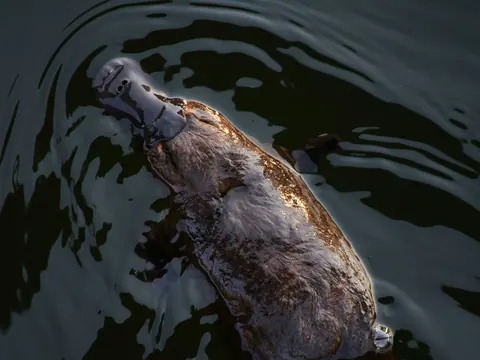
Mammal · PDF
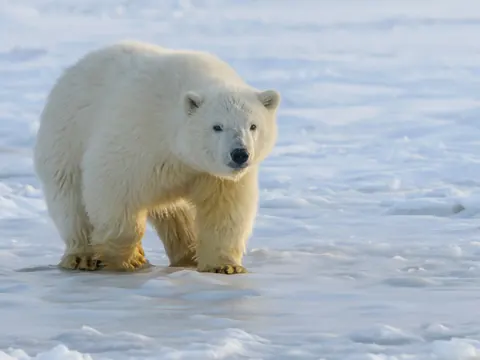
Not at zooGrades K–2 Polar bear sheet (PDF) ↗Grades 3–5 Polar bear sheet (PDF) ↗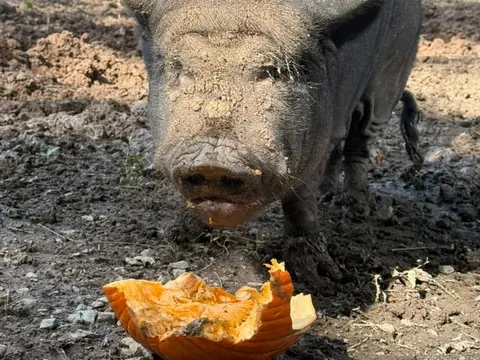
Mammal · PDF
Grades K–2 Pot-bellied pig sheet (PDF) ↗Grades 3–5 Pot-bellied pig sheet (PDF) ↗
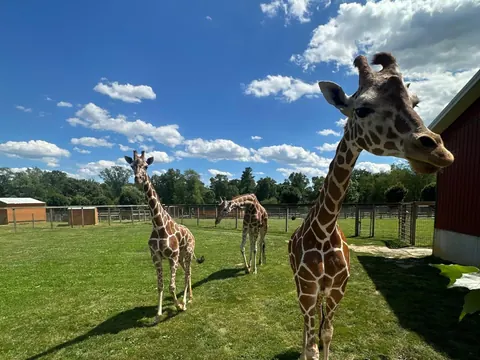
Mammal · PDF
Grades K–2 Reticulated giraffe sheet (PDF) ↗Grades 3–5 Reticulated giraffe sheet (PDF) ↗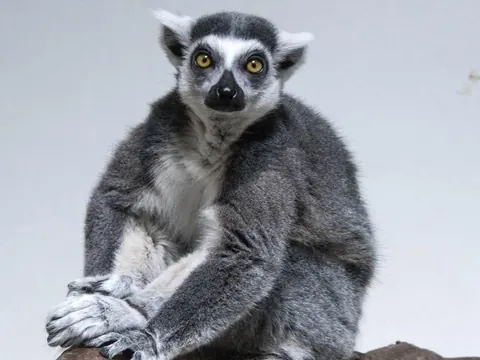
Mammal · PDF
Grades K–2 Ring-tailed lemur sheet (PDF) ↗Grades 3–5 Ring-tailed lemur sheet (PDF) ↗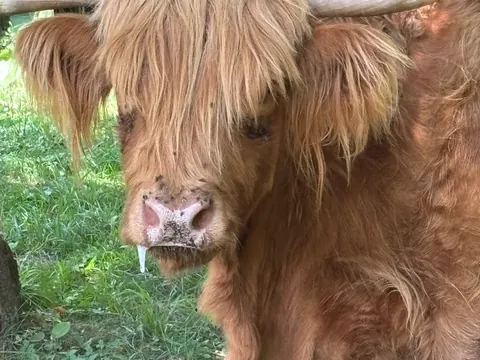
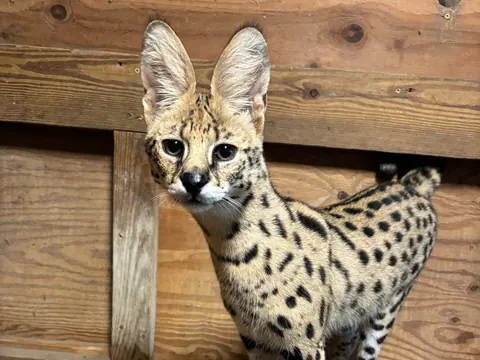
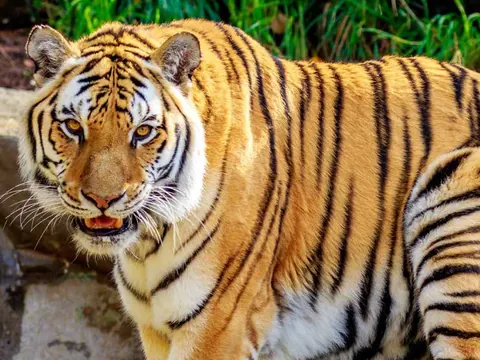
Mammal · PDF
Grades K–2 Siberian tiger sheet (PDF) ↗Grades 3–5 Siberian tiger sheet (PDF) ↗
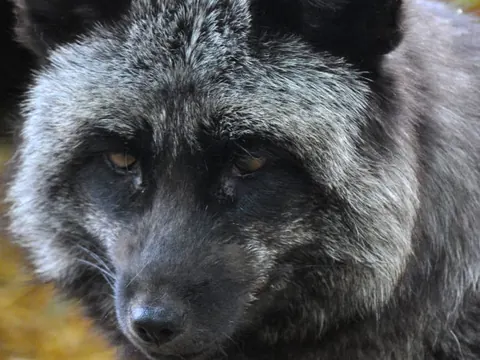
Mammal · PDF
Not at zooGrades K–2 Silver fox sheet (PDF) ↗Grades 3–5 Silver fox sheet (PDF) ↗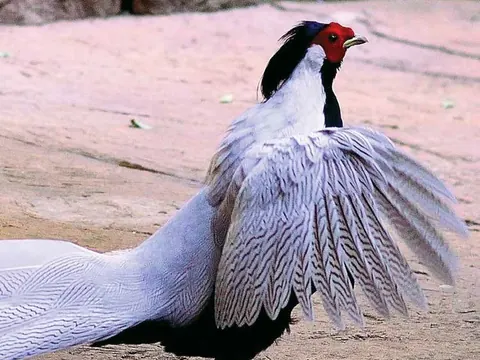
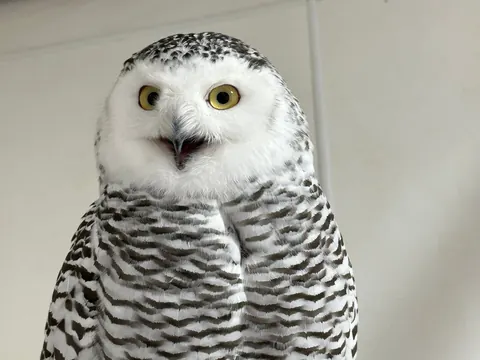
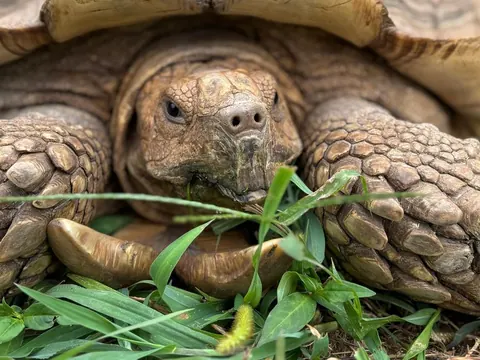
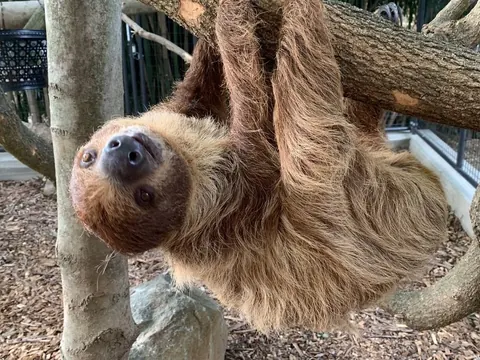
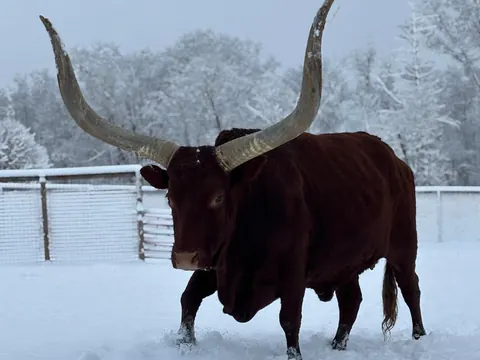
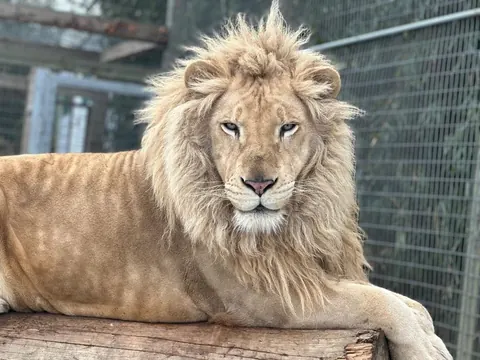
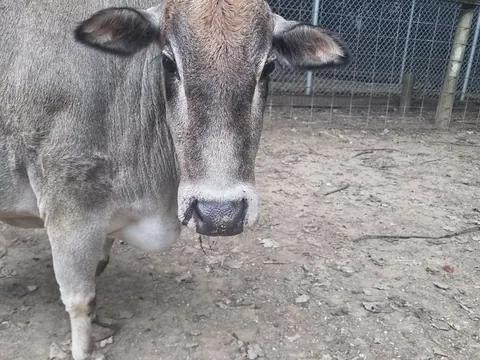
No animals match. Try another name or group.
03 / WHERE THEY COME FROM
Tap a continent to meet the animals that come from there, then open their fact sheets. The star marks Plumpton Park Zoo in Rising Sun, Maryland.
 ★
Choose a continent above to list its animals.
No animals here. Why do you think none of our animals come from Antarctica?
Pins show roughly where each animal lives in the wild. Farm breeds are shown where the breed was developed. Distances are straight-line miles from Rising Sun, rounded.
04 / INSIDE EACH FACT SHEET
Every grades 3–5 sheet follows the same five-part plan, so once students know one, they know them all. Each sheet is built from the animal’s page on our website, so students can look up the answers there. Page 2 is a before-and-after-your-visit worksheet.
“These educational fact sheets are amazing! What a perfect way for elementary and middle school students to learn about animals, while also providing a great foundation for writing research papers.
Hands down, the best animal resource ever for busy classroom teachers!”
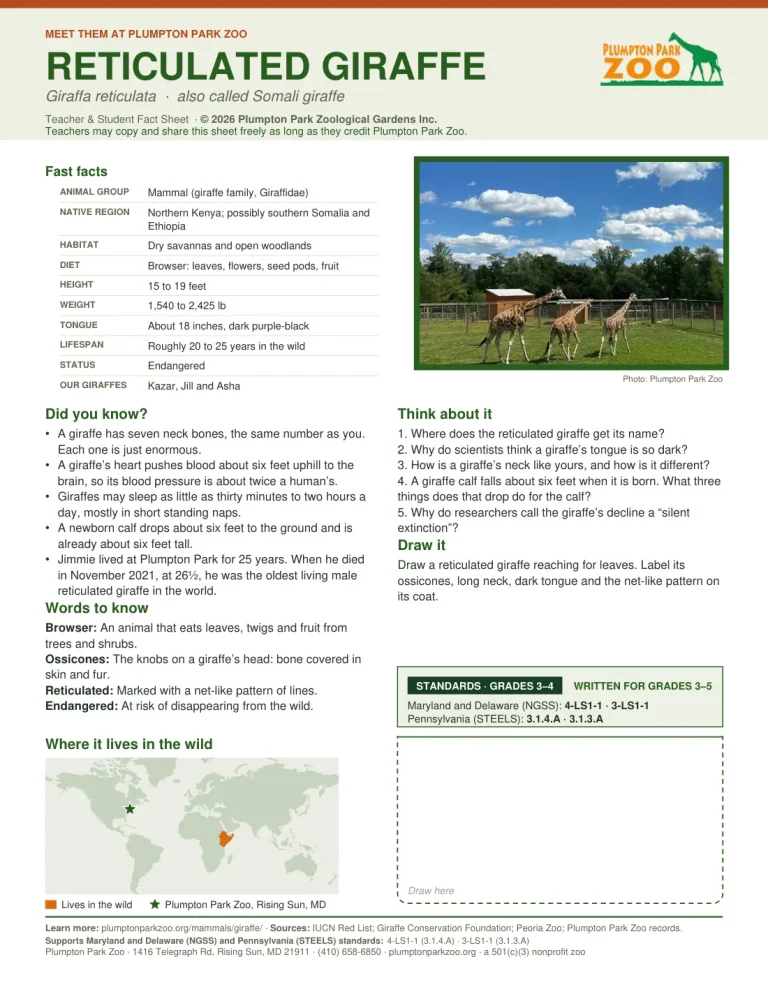 12345
The basics about the animal at a glance.
Before the trip
Five surprising facts to start the conversation.
Before the trip
Science words defined in plain language for students.
Before the trip
Five questions to discuss, using the animal’s page on our website.
After the trip
A drawing activity with labels and a box to draw in. At the zoo, students can draw from life.
At the zoo
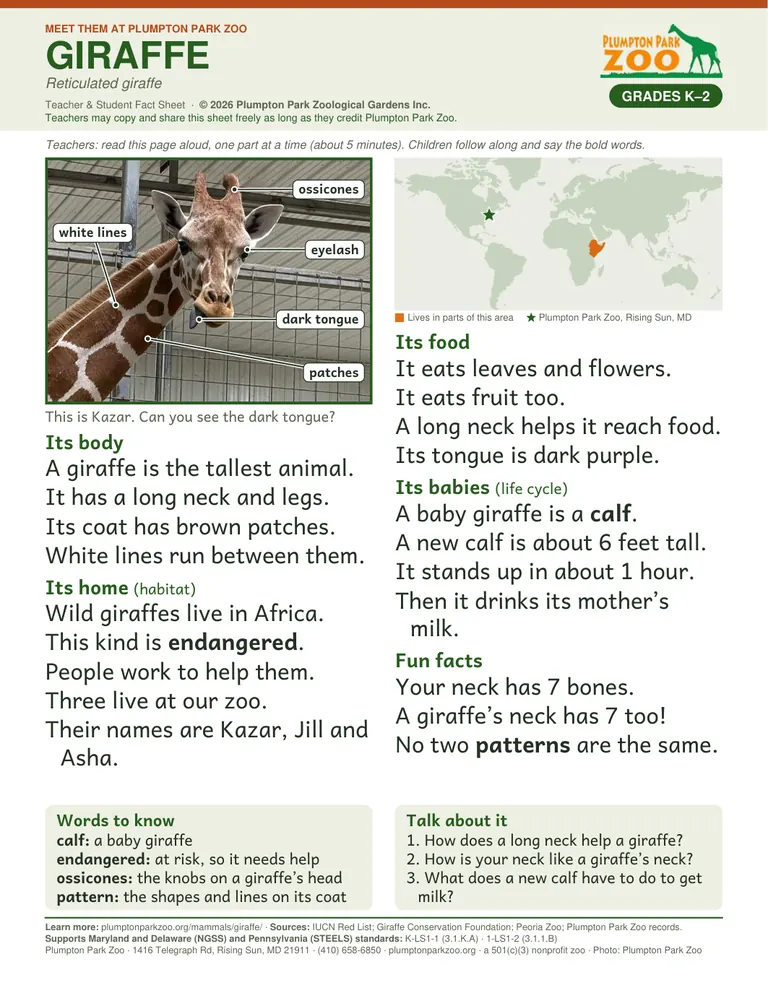
Every animal also has a K–2 sheet, written to be read aloud in about 5 minutes. It has short sentences, large type, a labeled photo and a map. Page 2 has yes-or-no questions, partner looking, a drawing box and handwriting lines, plus tips for kindergarten and grade 2. Every fact comes from the animal’s page on our website.
Using PebbleGo? The K–2 sheets cover body, habitat, food, life cycle and fun facts, in the same order as the tabs on a PebbleGo animal article, so your class will know the layout. Post our PDF beside the article in Google Classroom or Seesaw, or use it as a second source and compare the two with our recording sheet.
PebbleGo is a Capstone product. Plumpton Park Zoo is not connected with Capstone.
05 / FIELD TRIP LEARNING GUIDE
Bring wildlife learning into your classroom before, during and after a visit to Plumpton Park Zoo in Rising Sun, Maryland. These flexible activities encourage students to research animals on our website, make their own observations and explain what they discover.
Choose an animal from our animals at the zoo pages, then have students visit that page to find evidence for their answers. Our Animal Learning Center also includes species studied for general education that may not be exhibited at Plumpton Park Zoo. Use the zoo animal pages when selecting species students expect to see during a visit.
Find an animal's habitat, diet and two adaptations on its zoo webpage. Record the page title and one fact to investigate in person.
Watch quietly and describe visible behavior or physical features. Write down observations without guessing why they happened.
Compare website research with field notes. Use evidence to explain an adaptation, habitat need or animal-care question.
06 / STUDENT RESEARCH
Students should answer these questions by visiting the linked animal page, not simply from memory. Encourage them to cite the page they used.
Research starting points: Binturong, Red-Tailed Boa and Red-Necked Wallaby. Teachers can select additional species from the zoo animal directory.
07 / LEARNING BEYOND THE SCREEN
A simple way to prepare, observe and reflect on wildlife, whether your class visits in person or learns from our animal pages.
One ready-to-print page with space for animal research, predictions, first-hand observations and questions to investigate.
Download the field journal (PDF) ↓Free · Letter-size PDF · Prints in black and white

Plan an educational group visit, find current rates and arrival instructions, and review what to expect along the way.
See school group rates →Need mobility or sensory details? See our accessibility information. Some paths are natural stone or gravel, with steeper areas.
Yes. Teachers may copy and share them freely as long as they credit Plumpton Park Zoo.
Yes. Every animal has a grades K–2 sheet written to be read aloud, next to the regular sheet written for grades 3–5. See how the K–2 sheets work.
Yes. There are eleven free, ready-to-teach lessons on habitats, world regions, adaptations, animal groups, food chains, life cycles, group living, senses, endangered animals, domestic animals and Maryland wildlife. Each one lists the animals that fit, with their fact sheets, and can be printed.
Every sheet lists the Next Generation Science Standards (NGSS) it supports, mostly grades K–4 life science, such as 4-LS1-1 on how animals’ body parts help them survive. Maryland and Delaware both use NGSS. Pennsylvania’s STEELS standards include the same expectations under their own codes; 4-LS1-1, for example, is 3.1.4.A in Pennsylvania.
Nine of them do: the African elephant, African penguin, cheetah, Galápagos giant tortoise, giant panda, pixie frog, platypus, polar bear and silver fox. They are part of our online Animal Learning Center, and each of those sheets says so at the top.
No. Teachers can use the animal pages for classroom research even without scheduling a trip.
Visit the school visits page for reservation details and current rates. Plumpton Park Zoo is in Rising Sun, Maryland, close to schools in Cecil and Harford counties in Maryland, Lancaster and Chester counties in Pennsylvania and New Castle County in Delaware.
Most of these animals live at Plumpton Park Zoo. Groups of 15 or more save $2 on every ticket, and up to four teachers come in free.